


The Role of Design in Enhancing Motor Performance
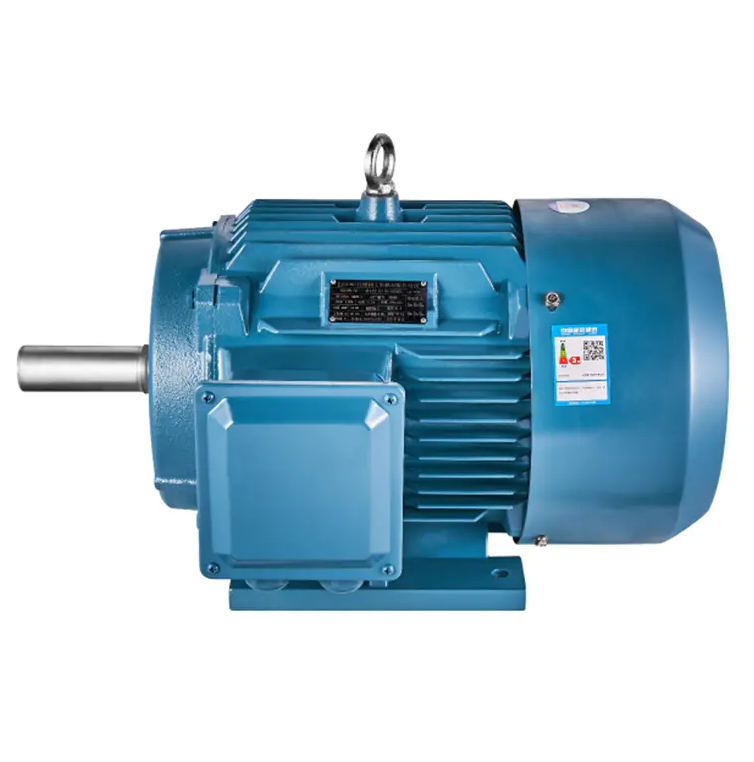
In industrial design discussions, the focus on energy efficiency and operational reliability has never been more intense. While there are numerous motor technologies available, one architecture that has withstood decades of engineering refinement is the asynchronous motor. Frequently used in heavy-duty applications, these motors serve as the backbone of critical industrial sectors, from material handling to HVAC drive systems.
The basic construction of an asynchronous motor consists of a stator wound with AC coils and a rotor that receives induced current through the rotating magnetic field. Because the rotor does not require direct electrical connections, this construction eliminates the need for brushes or slip rings, reducing mechanical complexity and maintenance demands relative to some alternative motor types. The result is a robust platform that supports continuous operation in demanding environments.
Today’s asynchronous motor manufacturers have expanded their product portfolios to support advanced features like thermal protection, vibration dampening, and compatibility with frequency converters. One noteworthy category is asynchronous inverter motors — systems specifically designed to interface smoothly with variable frequency drives (VFDs). The combination of induction motor hardware with inverter control allows engineers to optimize system throughput and energy usage by adjusting operating parameters such as speed and torque in real time.
The design of modern asynchronous inverter motors incorporates considerations for heat dissipation, electromagnetic compatibility, and control responsiveness. For example, when integrated into ventilation systems or pump drives, the ability to modulate speed based on load demand directly translates into reduced electrical consumption and lower operating costs over the motor’s lifespan. In essence, the integration of inverter controls enables a new level of system intelligence that goes beyond fixed-speed operation.
Zhejiang Ligong Motor Co., Ltd. exemplifies how manufacturers are evolving to meet these engineering requirements by offering product lines that support both traditional induction performance and advanced drive integration. Manufacturers that align product engineering with emerging application needs provide their customers with the tools to build more resilient and adaptable systems — an important advantage in sectors where uptime and process control are paramount.

 English
 Arabic
 French
 Spanish
 Portuguese
 Deutsch
 Dutch
Dutch
 Italiano
 Russian
 Romaian
 Portuguese (Brazil)
 Greek
Greek