


Can Bluefire batch testing reduce risk of contaminated refrigerant charges?
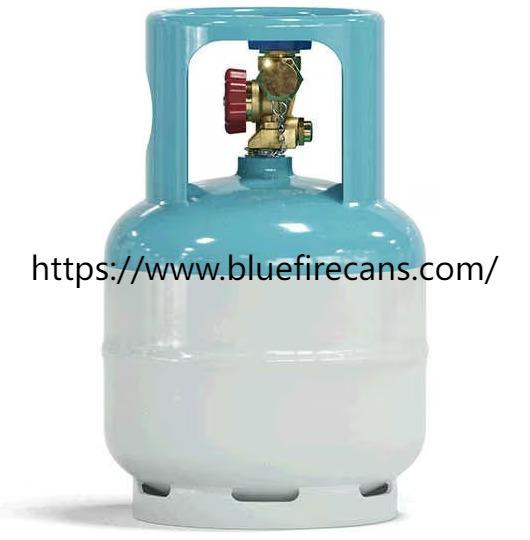
When technicians top up a system or a DIYer reaches for a small canister the unseen chemistry inside matters as much as the visible fittings. An R134a Refrigerant Can that contains impurities or moisture can quietly undermine compressor life and system reliability long before a cooling failure becomes obvious. Purity affects oil chemistry, corrosion risk and diagnostic clarity, so choosing supply and handling practices that protect the gas you put into a circuit is a practical step toward preventing expensive service visits.
Start with oil chemistry because it is where many purity problems show up first. Modern compressors rely on specific lubricants that are designed to circulate with the refrigerant. When refrigerant carries moisture or unwanted compounds those contaminants react with lubricant molecules to form acids or sludge that reduce film strength. Loss of effective lubrication increases friction and wear on bearings and pistons, shortening component life and raising the chance of catastrophic failure. Service records and industry notes make clear that oil contamination is a leading pathway from impure refrigerant to compressor damage.
Moisture is an especially common and dangerous impurity. Water introduced during charging, through poor storage, or by inadequate evacuation will combine with system oils and with internal metals to promote corrosion and acid formation. Even small amounts of moisture change how the oil behaves and can cause valve corrosion or piston scoring that is expensive to repair. That is why service best practices emphasise dry charging procedures and why supply chain handling that minimises exposure to air and humidity is practical protection for system longevity.
Other refrigerant contaminants can confuse diagnostics and hide real problems. Mixing refrigerant types or introducing hydrocarbon traces changes pressure temperature relationships and makes pressure readings less reliable. Technicians who rely on published charts and expected operating envelopes will find troubleshooting harder when the refrigerant composition deviates from specification. Using pure refrigerant makes it easier to interpret system behavior and to apply known service procedures with confidence.
Material compatibility is another downstream concern. Some impurities interact with seals and hoses in ways that accelerate hardening, cracking or swelling. When elastomers begin to fail they permit leaks that let more air and moisture in, accelerating a vicious cycle. Specifying a high quality can and a known-grade refrigerant reduces the chance that component-level incompatibilities will appear after a recharge and protects warranty and service relationships.
How a can is manufactured and handled before it reaches your bench matters. Robust packaging, secure valves and clear filling protocols reduce the opportunity for contamination during production. Suppliers who publish production controls and who allow buyers to review test methods create a chain of trust that helps purchasers choose sources whose cans arrive as expected. Practical procurement checks—requesting sample units, checking delivered batch identification and reviewing inspection records—make the difference between a routine top up and an avoidable service call.
Field signs of impurity are often subtle until they are not. Yellowing or darkening of compressor oil, unusual metallic particles in filters, or an unexplained drop in cooling capacity all point toward contamination as a possible cause. Regular maintenance that includes an oil sample check and that inspects for acid formation or varnish can catch problems early. When service teams include refrigerant purity in their diagnostic checklist they reduce the chance that a bad charge will be blamed on other causes and that a compressor suffers avoidable damage.
Safe charging practice goes hand in hand with selecting a reliable can. Always confirm that the can is clearly marked for the intended refrigerant, that the valve and cap are intact, and that the container shows no signs of prior tampering. Avoid topping up systems that have not been properly evacuated and consider recovery and reclamation as part of service workflows. These steps are about protecting the work you do today from becoming the failure someone pays for tomorrow.
Regulatory attention and market conversation about refrigerants have raised the bar for how service businesses and consumers think about supplies. As governments and trade organisations refine handling guidance, suppliers who demonstrate disciplined filling practices and who share test evidence make it easier for buyers to meet local requirements. Clear documentation and traceable production margins reduce approval friction and help shops avoid compliance surprises during shipping and storage.
Practical steps for technicians and buyers
- Prefer cans with visible batch identification and production notes so you can trace a suspect charge back to its source.
- Keep canisters sealed until use and store them in dry, temperate conditions to avoid moisture pickup.
- Use proper recovery and evacuation tools so systems are not topped up on contaminated gas or ambient air.
- Inspect compressor oil and service filters after a recharge to confirm no ongoing contamination is present.
These behaviours are low effort and they protect compressors from gradual degradation that starts with impure refrigerant and ends in expensive replacements.
Choosing where to source refrigerant cans is a business decision with technical consequences. A manufacturer that operates consistent filling and inspection routines reduces the risk that a can will introduce harmful impurities. Where possible, work with suppliers who provide testing protocols or who allow small scale sampling before a large purchase. That practical due diligence makes field work more predictable and keeps end users cooler without surprise failures.
In the end, purity is not a marketing detail. It is a defensive practice that protects compressor internals, preserves lubricant function and keeps diagnostic steps reliable. Paying attention to the gas you put into a system protects customers and reduces operational disruptions for service teams. For product specifications, valve options and supplier handling guidance visit https://www.bluefirecans.com/ .

 English
 Arabic
 French
 Spanish
 Portuguese
 Deutsch
 Turkish
 Dutch
Dutch
 Italiano
 Russian
 Portuguese (Brazil)
 Greek
Greek