


Why Clutch Rotors Matter in Vehicle Performance
Introduction
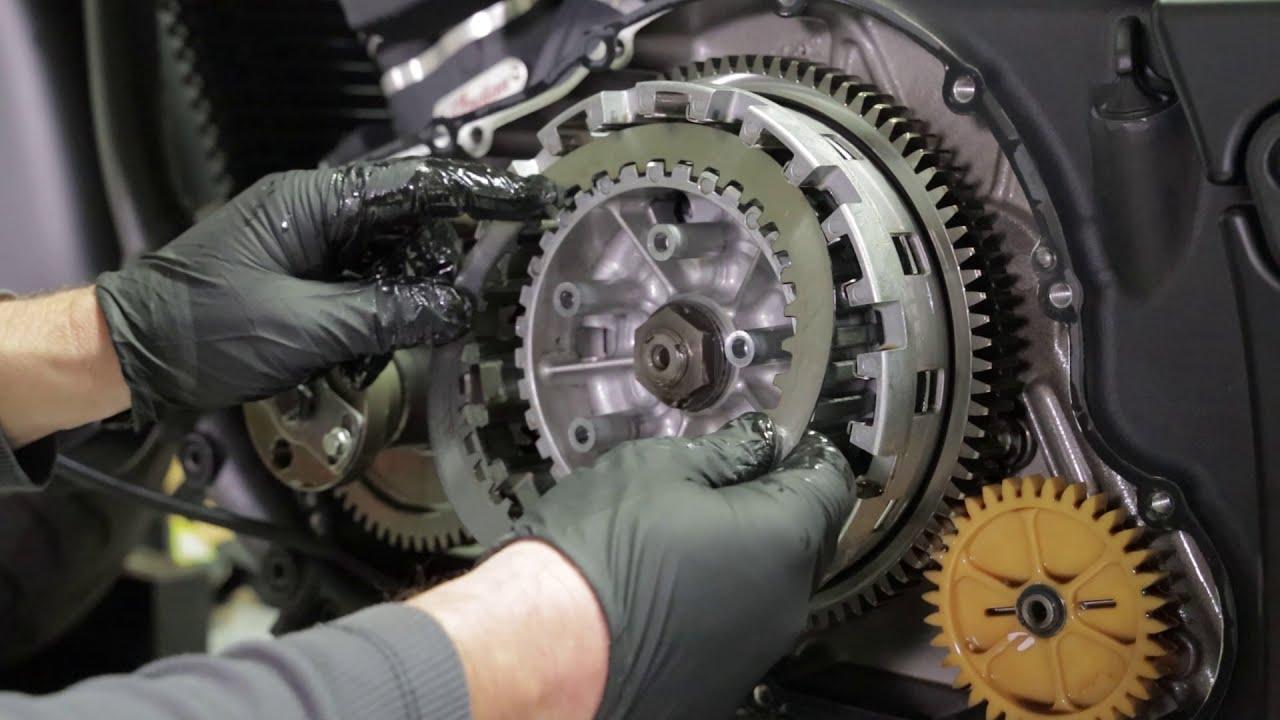
The automotive clutch rotor market focuses on rotor components used within clutch assemblies to manage torque transfer and rotational balance between the engine and transmission. Clutch rotors play a vital role in ensuring smooth engagement and disengagement, minimizing vibration, and supporting consistent power delivery during gear changes. These components are used across manual transmissions, automated manual transmissions, and certain dual-clutch systems. As vehicles continue to demand smoother drivability, higher efficiency, and improved durability, the importance of well-engineered clutch rotor solutions is increasing across passenger cars and light commercial vehicles.
Market Drivers
The market is driven by sustained demand for vehicles equipped with manual and automated manual transmissions, particularly in cost-sensitive and emerging markets. Growing vehicle production and longer vehicle lifecycles increase replacement needs for clutch-related components, supporting aftermarket demand. Automakers are focusing on improving shift quality and reducing noise and vibration, which elevates the role of precision-balanced clutch rotors. Expansion of light commercial vehicles used in delivery and utility services further boosts demand due to frequent clutch usage in stop-and-go conditions. Advancements in materials and manufacturing accuracy also enable higher performance clutch rotor designs, encouraging wider adoption.
Market Challenges
Despite steady demand, the market faces challenges related to wear, heat management, and cost pressure. Clutch rotors operate under high friction and thermal stress, requiring materials that can withstand repeated engagement cycles without deformation. Achieving durability while keeping components lightweight and affordable is a key challenge for manufacturers. Intense price competition in the aftermarket can affect quality consistency. Compatibility across diverse vehicle platforms increases design and inventory complexity. Additionally, the gradual shift toward electric vehicles, which do not use traditional clutches, may limit long-term demand growth in certain regions.
Market Opportunities
The market offers strong opportunities through material innovation and performance enhancement. Development of high-strength alloys, improved surface treatments, and better cooling characteristics can extend rotor lifespan and improve engagement smoothness. Growth of hybrid vehicles sustains demand for clutch systems used in power-split and engine decoupling applications. Performance-oriented aftermarket segments create opportunities for upgraded clutch rotors designed for higher torque handling. Expansion of organized automotive service networks improves access to quality replacement parts. Emerging markets with growing vehicle ownership and manual transmission prevalence present long-term growth potential.
Regional Insights
Regional demand varies based on transmission preferences and vehicle production patterns. Asia-Pacific dominates the market due to high volumes of manual and automated manual transmission vehicles in countries such as India, China, and Southeast Asia. Europe shows steady demand supported by a mix of manual and dual-clutch vehicles and strong aftermarket activity. North America has a smaller but stable market driven by specific vehicle segments and performance aftermarket demand. Latin America and the Middle East are emerging markets where manual transmissions remain common, supporting ongoing clutch rotor demand. Africa represents a developing market with growing need for affordable replacement components.
Future Outlook
The future of the automotive clutch rotor market will be influenced by gradual powertrain evolution and material advancements. While full electrification may reduce reliance on traditional clutch systems over time, a large global fleet of internal combustion and hybrid vehicles will sustain demand for years. Manufacturers will focus on improving thermal resistance, reducing weight, and enhancing balance precision. Increased use of simulation and advanced machining will improve consistency and performance. As driving comfort and efficiency remain priorities, clutch rotor optimization will continue to play a supporting role in transmission performance.
Conclusion
The automotive clutch rotor market remains an important part of vehicle drivetrain systems, supporting smooth power transfer and reliable clutch operation. Although long-term challenges from electrification exist, steady vehicle production, aging fleets, and aftermarket demand continue to drive growth. Innovation in materials and manufacturing is helping suppliers meet performance and durability expectations. As long as conventional and hybrid vehicles remain in use, clutch rotors will continue to be essential components in automotive transmission systems.

 English
 Arabic
 French
 Spanish
 Portuguese
 Deutsch
 Turkish
 Italiano
 Russian
 Romaian
 Portuguese (Brazil)
 Greek
Greek