


What validation steps ensure ER5087 delivers expected weld strength on your parts
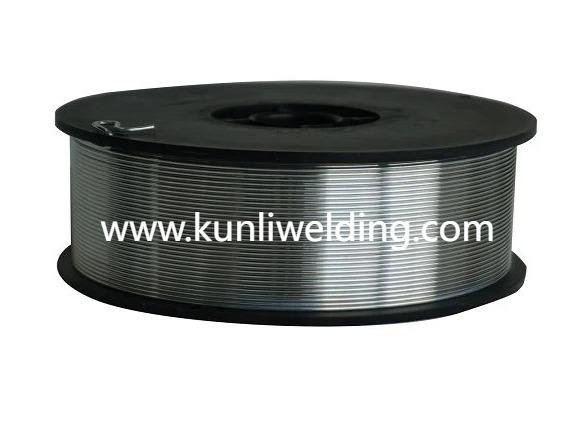
When fabricators face marine repairs or heavy structural joins, the choice of filler wire matters and Aluminum Welding Wire ER5087 often appears in those project conversations because of the magnesium it contains. That element helps shape weld metal behavior so seams handle load and service conditions more predictably, which is why specifiers and shop leads keep asking about how the chemistry translates into in service performance.
Magnesium works in the weld deposit in a few practical ways that show up on the shop floor. It contributes to strength by encouraging a metal structure that resists deformation under load. For welders that means seams that are less likely to deform under localized pressure and that keep assemblies aligned during finishing operations. In program terms, fewer corrective passes and simpler straightening reduce cycle time and make downstream processes run smoother.
Beyond straight strength, magnesium affects how the weld metal cools and how the tiny crystals inside the deposit form. When that cooling is steady and the microstructure is friendly to toughness, seams absorb repeated loads and vibration without opening small cracks. That attribute matters for vessels and offshore structures where fatigue life is a design driver and where unscheduled repairs on site carry a heavy operational cost.
Another practical benefit that suppliers highlight is the way magnesium interacts with protective systems. On structures exposed to salt air or aggressive atmospheres the right filler chemistry helps the seam and the parent metal age in step. That compatibility reduces the need for intensive touch up and helps coating crews apply finishes that adhere and hold up under inspection. For asset owners managing long service cycles, that predictable behavior simplifies maintenance planning.
Magnesium content also contributes to field repairability. Technicians working in constrained spaces or on remote platforms prefer a filler that forms a controllable puddle and that accepts weld profiles that require minimal dressing. When a wire produces consistent fusion and bead shape under typical field rigs, repairs finish faster and technicians can restore geometry without repeated lifting of parts back to a central shop.
Of course, the gains depend on handling and process discipline. Even a wire formulated for marine strength will produce inconsistent results if joint surfaces are oily or if oxide scales are not removed. Clean fit up steady travel and controlled heat input preserve the metallurgical balance that magnesium supports in the deposit. Suppliers that provide concise arrival and run off notes help teams reproduce validated outcomes and reduce trial and error on the line.
Packaging and traceability also play a role in achieving the expected weld performance. Reels that arrive with even winding and sealed protection limit surface contamination that otherwise risks porosity. Clear lot marking and retained sample practice let quality teams isolate issues to production batches rather than to process variables when unexpected behavior appears in inspection. That faster diagnosis keeps production moving and reduces the scope of corrective steps.
Procurement and engineering teams should adopt a simple validation routine before scale buys. Request a sample reel drawn from production, run representative joints with your actual feeders and record the settings that produced acceptable beads. Retain a short sample length and attach basic parameter notes to the lot so future reels can be compared to the validated reference. When suppliers support that short trial step with suggested drive roll profiles liner guidance and handling notes, the path to routine use becomes straightforward.
Current industry pressures such as heavier investment in coastal infrastructure and attention to resilient supply chains make predictable weld performance a higher priority than ever. When programs require assemblies that withstand challenging service conditions, magnesium bearing fillers like ER5087 are part of a holistic approach: combine the right wire chemistry with careful handling and supplier supported validation to reduce rework and to keep schedules on track.
If your project includes marine applications or heavy structural work, evaluate magnesium bearing wires with a short on site trial and ask suppliers for packaging and parameter guidance. Treat the sample run as an insurance step that saves time during production ramps. For product details and technical notes related to magnesium alloy welding options consult supplier resources at www.kunliwelding.com .

 English
 Arabic
 French
 Spanish
 Portuguese
 Deutsch
 Dutch
Dutch
 Italiano
 Russian
 Romaian
 Portuguese (Brazil)
 Greek
Greek