


What operational checks ensure a reel feeds predictably on your equipment
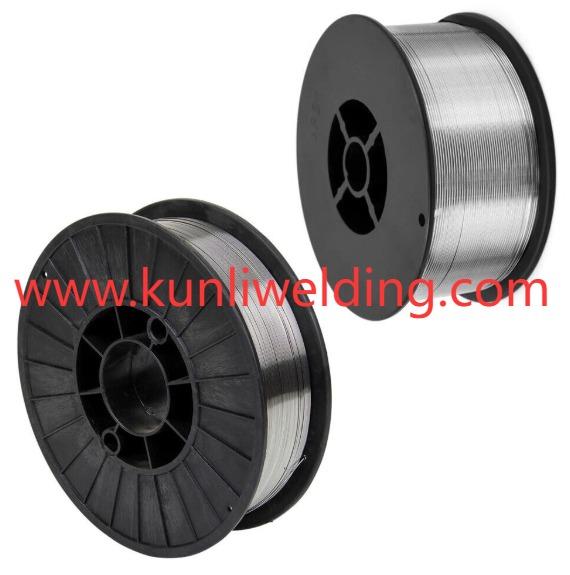
In an era of supply chain scrutiny and tighter delivery windows, consistent performance from consumables matters to fabricators, and Aluminum Welding Wire Manufacturers face pressure to show that each reel will behave the same as the last. Lot to lot consistency is a practical foundation for predictable welding outcomes, safer schedules and lower inspection overhead, so manufacturers have developed layered practices that turn input control into repeatable outputs.
Raw material control is the starting point. Sourcing alloys from vetted suppliers and verifying incoming batches for chemical consistency reduce the chance that a change in metal will show up as a sudden shift in arc behavior or weld metal properties. Manufacturers that standardize their intake checks and that keep clear records of material origin make it faster to compare suspect lots to accepted references and to isolate issues before full spool production begins.
Process discipline in the drawing and spooling stages closes the loop between material and finished product. Tight control of drawing tension, annealing conditions and winding patterns reduces dimensional variation and surface irregularities that cause feeding faults. Consistent spool geometry and smooth surface finish help feeders and contact tips perform predictably on both manual and mechanized equipment, which matters when long continuous seams are run across multiple shifts.
Surface cleanliness and contamination control are practical quality gates. Even small amounts of residue or particulate can affect how a spool feeds or how the arc transfers metal into the pool. Manufacturers that implement cleaning stages and that test for surface condition catch these risks early. Packaging follows the same discipline so that a reel that leaves the plant retains its condition through transport and storage rather than arriving altered by moisture or handling faults.
Traceability and batch records accelerate problem solving when anomalies appear. Clear lot marking, retained samples and digital records let quality teams compare a suspect reel to upstream production logs quickly. That traceability shortens corrective cycles and reduces the impact on customers because issues can be quarantined and targeted instead of requiring wide scale requalification or production holds.
Routine verification and pilot runs are part of the playbook. Before a full production run is released, manufacturers often draw short lengths and run standard feed and welding trials that replicate common shop conditions. Those trials act as a reality check and provide documented evidence that a lot meets feedability and surface criteria. For buyers this practice translates into fewer surprises on arrival and a shorter time to accept a reel on the line.
Supplier communication and practical documentation matter to buyers who qualify consumables in their own environment. Clear handling notes packaging descriptions and suggested feed hardware cut confusion during incoming inspection and initial trials. Manufacturers that work with customers to understand feeder types and typical joint styles reduce the rounds of parameter hunting that delay production.
Process control extends to maintenance and calibration of equipment. Regular checks on drawing machines spooling heads and inspection tools ensure that a nominal process remains nominal. Manufacturers that schedule preventive checks and keep logs of process parameters can show buyers a history that supports the claim of consistency rather than leaving it as an unsupported assertion.
Finally, packaging and logistics practices protect the consistency achieved in the plant. Sealed inner bags conditioned storage and secure flange protection prevent moisture and transit damage from erasing upstream quality work. When manufacturers align packaging to the climates and transport modes their customers face, the reels arrive ready to feed rather than needing staging or extended runs off before use.
For fabricators the practical effect is simple. Less lot to lot variation reduces trial loops shortens startup time and lowers scrap. When procurement teams require traceability, pilot test results and clear handling instructions they place an operational requirement that encourages manufacturers to maintain the controls needed for steady performance. For product details, handling guidance and packaging information consult the product pages at www.kunliwelding.com .

 English
 French
 Spanish
 Portuguese
 Deutsch
 Turkish
 Dutch
Dutch
 Italiano
 Russian
 Romaian
 Portuguese (Brazil)
 Greek
Greek