


Can routine O ring replacement prevent leaks and service downtime
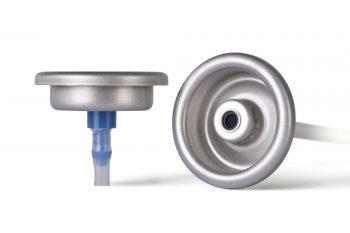
When routine maintenance becomes a habit rather than an afterthought, equipment runs with fewer surprises and users feel safer. An EN417 Valve sits at the heart of many portable gas systems and the humble O ring inside that valve is a key element of reliable sealing and smooth operation. Replacing that O ring at the right time prevents leaks, preserves valve feel, and keeps a device performing as its designers intended.
Understanding why the O ring matters starts with its job. That tiny ring forms the dynamic seal between moving parts, keeping pressurised contents where they belong until the user opens the valve. Over time the seal can harden, compress, pick up dirt, or interact with formulation ingredients, and any one of these changes can let small amounts of gas escape or cause a valve to stick. Those outcomes show up as weaker flow, odd hissing when stored, or a tactile change in how the actuator responds. In practice, noticing subtle changes in performance often signals that a close inspection of the O ring is a good next step.
Environmental exposure speeds wear. Valves that live in humid warehouses, in salty coastal climates, or in transport that sees wide temperature swings put seals under extra stress. Elastomers react to heat, cold and surface contaminants differently, and seals that were fine at installation may become brittle or tacky after extended exposure. That is why maintenance checks should include a look at storage conditions and at any signs of external contamination on threads and mating faces before a service call becomes a repair job.
Visual inspection is the simplest, most effective preventive action. Remove the protective cap, examine the O ring for cracks, flattening, or foreign particles, and check that it still sits snugly in its groove. If the seal shows surface crazing, small cuts, or a film of residue that will not wipe away, replacement is prudent. Likewise if an assembly has been dropped or visibly dented in the area around the valve, the fit between parts can shift and a fresh O ring can restore sealing behaviour that a misaligned older seal cannot guarantee.
Feel and function also tell a story. If actuations that used to feel smooth become sticky or if valves require more force to start flow, the O ring or adjacent seal surfaces may have changed. Similarly, if a valve emits a faint hiss when stored or if fittings that used to couple tightly now feel loose, do not assume the issue is minor. Replacing the O ring and cleaning the mating surfaces will often resolve these symptoms and avoid progressive wear that might create larger service needs later.
Preventive replacement should be considered when a device has seen sustained heavy use or when it passes through many handling cycles in logistics and retail. In environments where units are actuated repeatedly each day it is reasonable to inspect seals more often and to keep replacement O rings in service kits. Likewise, when refurbishing returned or display units, a fresh O ring restores confidence that the part will perform like a new component in customer hands.
Compatibility and material choice matter when ordering replacements. Not all elastomers behave the same with different fuel blends or propellant chemistries. Selecting the correct material for the expected chemical exposure and for the temperature range the product will face prevents premature failure. Work with a supplier who can confirm material provenance and who can advise on which compounds are suited to your application and to the valve geometry in use.
Cleaning is part of an effective replacement routine. Before fitting a new O ring, remove any debris from grooves and mating faces, and verify that threads and seats are undamaged. A clean, dry surface helps the new seal seat properly and reduces the chance of pinch points or twisted installation that could compromise performance. Use the recommended cleaning media for the materials involved and avoid solvents that might soften the selected elastomer.
Traceability and documentation make maintenance decisions defensible. When production and testing records are available for a particular valve series it is easier to determine expected service intervals and to compare field behavior with factory validation. Suppliers who provide inspection protocols and who perform air tightness or pressure checks during production give procurement teams practical evidence they can use to set maintenance schedules and replacement policies.
Safety speaks louder than cost when the choice is between a worn seal and a fresh one. Even small leaks increase risk during handling and transport and undermine confidence for retailers and end users. Replacing an O ring is a low cost preventive measure compared with the operational disruption and potential regulatory headaches that follow from unnoticed leakage or from devices that drift from specified behavior.
Training and simple checklists help teams make the right call. Routine visual checks, tactile feel tests, and a short list of pass fail signs empower front line staff to spot early wear. Document the replacement steps, store spares in controlled conditions, and include O ring checks in any receiving inspection for returned goods. These practices reduce variability across teams and make sure that small maintenance interventions deliver consistent results.
Finally, choose partners who support maintenance with parts and with practical guidance. A supplier that offers compatible O ring kits, that documents material choices and that shares inspection steps shortens the path from diagnosis to remedy. When service teams can rely on clear instructions and on parts that fit without improvisation, uptime improves and warranty incidents decline.
Bluefire's aerosol valve offering emphasises production controls and testing that help purchasing and service teams evaluate valve behavior and maintenance needs. Their product information highlights compliance testing and consistent manufacturing practices that support traceability and replacement planning. If routine checks reveal any doubt about sealing integrity a scheduled replacement of the O ring is a sound step to preserve safety, reliability and user experience. For product options valve specifications and maintenance parts visit https://www.bluefirecans.com/ .

 Arabic
 French
 Spanish
 Portuguese
 Deutsch
 Turkish
 Dutch
Dutch
 Italiano
 Russian
 Romaian
 Portuguese (Brazil)
 Greek
Greek